
Fort Worth’s Early Beer Boom: The Texas Brewing Company Story
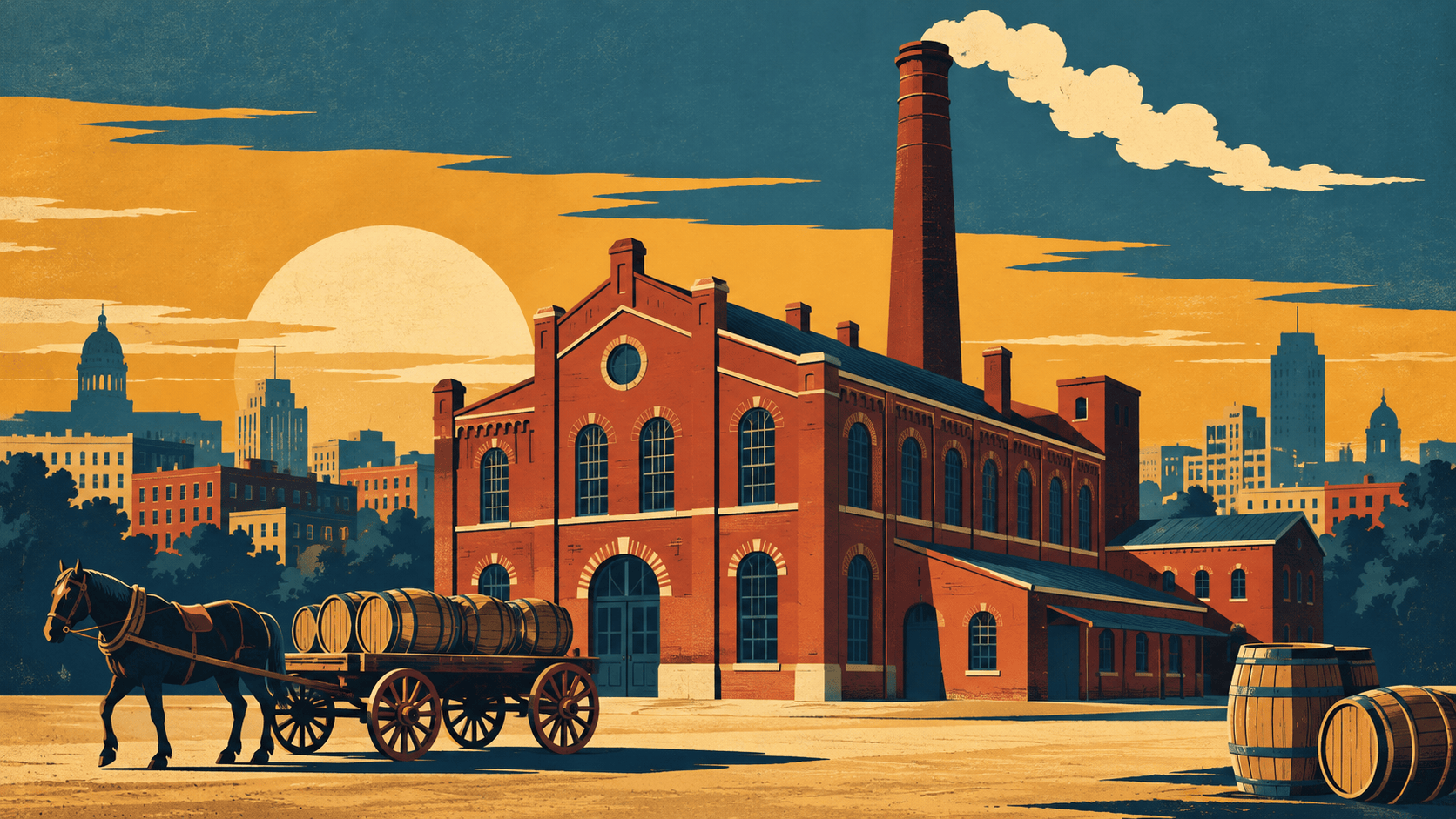
Fort Worth’s cowboy reputation has room for a beer story. In 1890, as the city grew into a center of commerce, the Texas Brewing Company joined the businesses betting that local people wanted local beer. Its story runs through the city’s industrial boom and up to the moment national Prohibition changed what a Texas brewery could legally make. It’s a useful reminder that Cowtown’s history was built by more than cattle and railroads.
A brewery arrives as Fort Worth is growing
The Texas State Historical Association’s brewing history lists the Texas Brewing Company as a Fort Worth brewery operating from 1890 to 1918. That puts it in a busy period for the state: Texas had as many as 43 breweries between 1890 and 1918, though many opened and closed within a few years. Fort Worth’s company was among just five from the 1890 group that remained intact until Prohibition in 1919.
That was a meaningful run in a business where small producers had to serve local customers, manage costs and compete with bigger breweries. Beer traveled less easily before modern refrigeration and logistics, so a hometown brewery could matter to the people who lived and worked nearby. It was industry, but it was also a daily pleasure shared across a city that was changing quickly.
Prohibition drew a sharp line through the beer business
On January 16, 1919, national Prohibition forced 13 Texas breweries to stop legal beer production, according to the Texas State Historical Association. Some breweries closed; others tried making sodas or near beer. Only two of the five surviving Texas companies from 1890 continued to make beer after Prohibition. For a local brewery, the law changed more than a menu. It could redraw the business itself.
The dates make a compelling local story because they land between two recognizable versions of Fort Worth. One was a city growing through railroads, stockyards, packing houses and new industry. The other was the familiar modern Stockyards, where visitors still gather in bars and saloons after exploring the district. Beer is a small but revealing thread between the two.
Fort Worth’s growth gives that brewery story useful scale. The City of Fort Worth’s history records a population of 6,663 in 1880 and 26,668 by 1900, while the city moved from a cattle-trail waypoint toward a major shipping and packing center. A brewery opened in the middle of that expansion was part of a larger change in how people worked, traded and spent their evenings. This is one reason local beer history belongs alongside the better-known cattle and railroad stories.
The story still fits a Stockyards evening
Today’s Cowboy Pub Crawl meets in the historic Stockyards, while the Texas Brewing Company belongs to Fort Worth’s wider beer story. The connection is the social history of drinking places and the role beer played in the city’s growth. A saloon was a gathering spot where people could swap news, talk business and meet travelers; the local beer trade helped supply those everyday conversations. Fort Worth Crawling even lists beer’s role in city history among the stories its guides explore.
On the Cowboy Pub Crawl, a local guide leads guests to four bars in the Stockyards and shares hidden, funny stories about cowboys, cattlemen, bandits, railroads and saloon culture. Public crawls run daily at 3:00 p.m. and 7:00 p.m. and last 2 hours and 15 minutes. The group walks a few blocks, meets at the Bill Pickett “First Bulldogger” statue at 121 East Exchange Avenue, and visits bars that can vary by availability. Guests must be 21 or older with valid ID. Drinks are purchased separately at each stop, and ordering is optional. The current tour page has booking details.
A toast to the city behind the cowboy image
The Texas Brewing Company didn’t define Fort Worth on its own, but it helps explain the city’s appetite for building things, selling them locally and adapting when the rules changed. Its story makes the next bar stop feel connected to more than a good-looking brick street. You’re in a city with a long history of work, commerce, gathering and raising a glass to the end of the day.
If you want to hear more of Fort Worth’s saloon stories where the Stockyards still hum, book the Cowboy Pub Crawl and let a local guide handle the footnotes. There’s plenty of history in the room, and a few details that tend to get better with a little company.