Fort Worth’s Black Cowboys and Cowgirls: People, Places and Rodeo History
The West Was Always Diverse
The popular image of the American cowboy leaves out too many people. Black cattle workers, horsemen, ranchers and rodeo athletes helped build the West from the 19th century forward. Fort Worth’s Stockyards and rodeo culture offer several ways to explore that history through people, places and continuing traditions.
Fort Worth Crawling shares the district’s hidden stories, and Black Western history belongs near the center of the conversation. It includes famous innovators such as Bill Pickett and barrier-breaking competitors such as Cleo Hearn, along with generations of working cowboys and cowgirls whose names never reached the marquee.
Black Cowboys on the Cattle Trails
After the Civil War, the Texas cattle industry expanded quickly. Black cowboys worked as drovers, horse breakers, cooks and ranch hands. They faced segregation and violence, yet their skill remained essential on long drives where every rider depended on the crew.
The cattle trails that passed through or near Fort Worth connected ranch country with northern railheads. When the railroad reached Fort Worth in 1876 and the Stockyards later developed, the city became a major livestock center. Black workers participated in that economy even when public memory failed to give them equal credit.
Bill Pickett and the First Bulldogger
William “Bill” Pickett, born in 1870 in Travis County, Texas, became one of rodeo’s great innovators. He developed a bulldogging technique for controlling cattle that helped inspire modern steer wrestling. Pickett performed with the 101 Ranch Wild West Show and drew crowds across the United States and abroad.
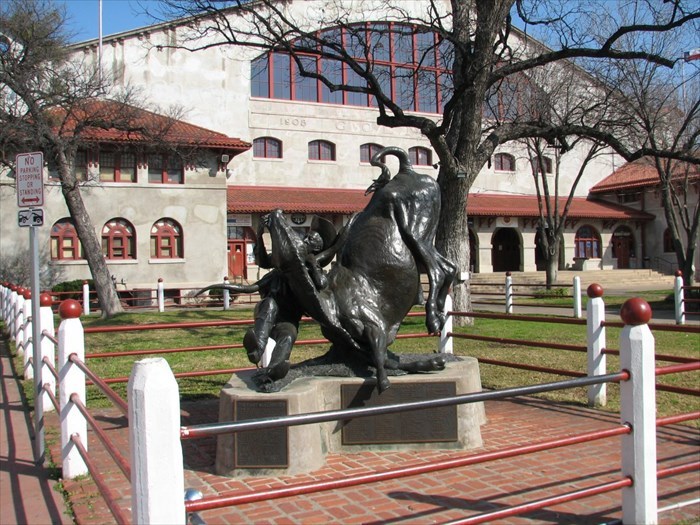
A statue honoring Pickett stands near Cowtown Coliseum in the Fort Worth Stockyards. It is also the meeting point for Fort Worth Crawling’s Cowboy Pub Crawl. His surname is spelled Pickett, with two t’s, and his career belongs to the late 19th and early 20th centuries, not the 18th century.
Cleo Hearn Breaks Barriers
Cleo L. Hearn was born in Seminole, Oklahoma, in 1939 to an African American mother and Seminole father. He began competing as a teenager and joined the Rodeo Cowboys Association in 1959. In 1970, he became the first African American to win tie-down roping at a major rodeo when he took the title at Denver’s National Western Stock Show and Rodeo.
Hearn also became the first African American to attend college on a rodeo scholarship. He served in the U.S. Army and was selected for the Presidential Honor Guard during the Kennedy administration. Alongside rodeo, he built a long career with Ford Motor Company.
From the Texas Black Rodeo to Cowboys of Color
In 1971, Hearn began producing the Texas Black Rodeo. He changed the name to Cowboys of Color Rodeo in 1995 to recognize a wider group of Black, Hispanic and Indigenous participants and traditions. The rodeos combined competition with education, giving audiences a fuller account of the West.
Hearn continued competing until 2017 and received major honors for his work. His name appears on the Texas Trail of Fame in the Stockyards, and he was inducted into the National Rodeo Hall of Fame. Hearn died in 2025 at age 86, but the rodeo movement and the athletes he encouraged carry his legacy forward.
Places to Explore in Fort Worth
Start with the Bill Pickett statue at 121 East Exchange Avenue and the Texas Trail of Fame markers across the Stockyards. The Texas Cowboy Hall of Fame, housed in historic Barn A, honors figures from rodeo and Western life, including Cleo Hearn.
The National Multicultural Western Heritage Museum in Fort Worth presents the stories of Black, Hispanic, Indigenous and other Western figures. The National Cowgirl Museum and Hall of Fame in the Cultural District adds another essential perspective by documenting women of the West. Confirm hours and ticket information directly with each museum before visiting.
Rodeo History Is Still Being Written
Black cowboys and cowgirls are not a footnote to a finished story. They compete, train young riders, produce rodeos and preserve family traditions today. That living presence makes Fort Worth a strong place to learn how Western history connects to modern sport and culture.
For a guided introduction to the Stockyards, join Fort Worth Crawling’s Cowboy Pub Crawl. You will begin near the Bill Pickett statue, visit local saloons and hear stories that go beyond the postcard version of Cowtown.
Book the Cowboy Pub Crawl: https://fortworthcrawling.com/stockyards-pub-crawl/